Hard Water Softener In Nagpur
Hard Water Softener In Nagpur
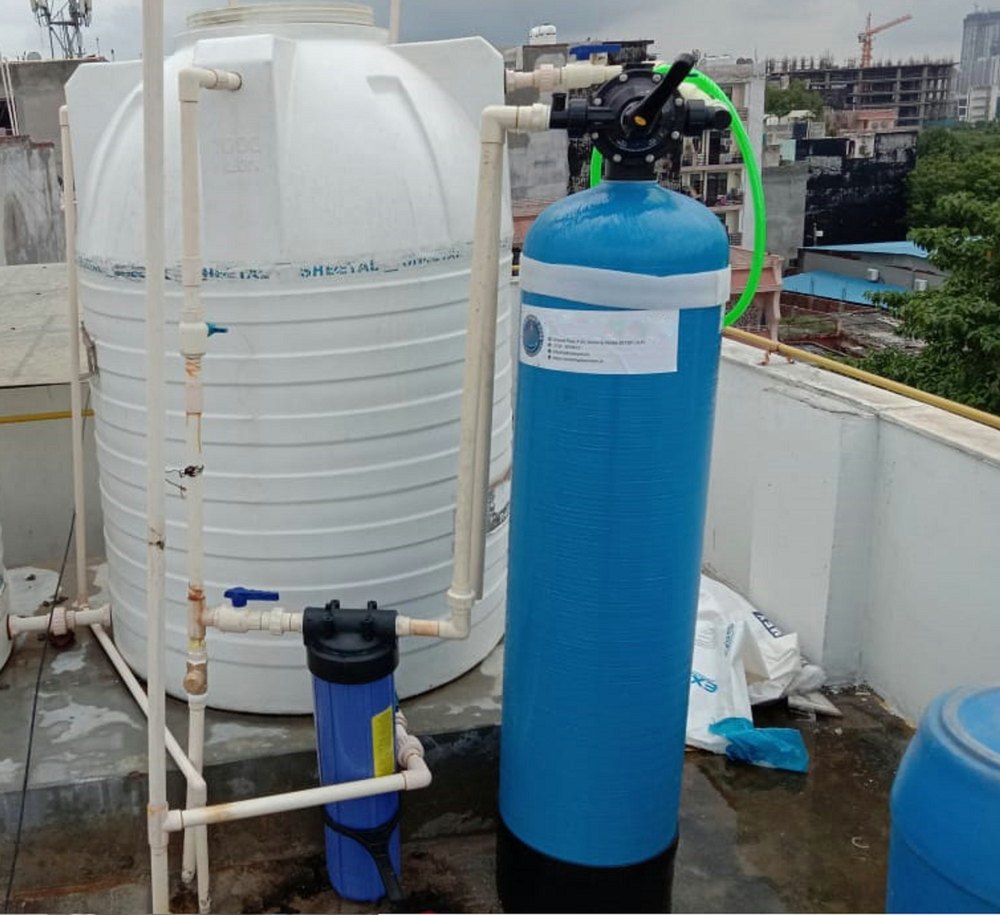
What is a Hard Water Softener?
How Does a Hard Water Softener Work?
Hard water softeners generally operate on a simple but effective principle: the ion exchange process. Here’s a breakdown of how the system works:
- Ion Exchange: Water flows through the resin beads inside the softener tank, where the beads are coated with sodium or potassium ions. As the hard water passes through the resin, the calcium and magnesium ions in the water are attracted to the resin beads and replaced by the sodium and potassium ions.
- Regeneration: Over time, the resin beads become saturated with calcium or magnesium ions and need to be regenerated. This is done using a salt solution, which flushes the beads, replacing the calcium and magnesium with fresh sodium or potassium ions. This process restores the softener’s ability to soften water.
Softened Water: After regeneration, the softener continues to supply softened water to your home, free from the minerals that cause hardness. The result is water that is gentler on your skin, hair, and appliances.
Benefits of Installing a Hard Water Softener
- Protection for Plumbing and Appliances: One of the primary reasons to install a hard water softener is to protect your plumbing and appliances. Hard water can cause scale buildup in pipes, water heaters, dishwashers, washing machines, and other appliances. Over time, this buildup reduces efficiency, leads to clogs, and can even shorten the lifespan of your equipment. A water softener helps prevent this damage by removing the minerals that cause the buildup.
- Reduced Soap and Detergent Use: Hard water makes it harder for soaps and detergents to dissolve and lather. This means you end up using more soap to get the same results, which increases your cleaning costs. With softened water, soaps and detergents dissolve more effectively, providing better cleaning performance with less product, saving you money.
- Improved Skin and Hair Health: Hard water can leave a film of soap scum on your skin and hair, which can lead to dryness, irritation, and dull hair. Softened water allows soap to lather better and rinse off completely, leaving your skin smoother and your hair shinier.
- Longer Lifespan for Appliances: Appliances that use water, such as water heaters, dishwashers, and washing machines, often suffer from mineral buildup when exposed to hard water. Over time, this leads to reduced efficiency and costly repairs or replacements. A hard water softener helps extend the lifespan of your appliances by preventing mineral buildup.
- Reduced Water Heating Costs: Hard water can cause limescale buildup inside water heaters, reducing their efficiency. This forces your water heater to work harder to heat water, leading to increased energy consumption and higher electricity bills. A water softener prevents limescale formation, keeping your water heater running efficiently and reducing your energy costs.
Types of Hard Water Softeners
- Salt-Based Hard Water Softeners: Salt-based water softeners are the most common and effective option for treating hard water. These systems use the ion exchange process to replace calcium and magnesium with sodium or potassium ions. They are highly efficient and ideal for areas with very hard water. However, they do require periodic salt refills and maintenance.
- Salt-Free Hard Water Softeners: Salt-free water softeners, also known as water conditioners, don’t use salt to remove minerals from water. Instead, they use a process that prevents minerals from bonding together and forming scale. While these systems don’t technically soften the water, they reduce the negative effects of hard water and are a good option for people looking to avoid the use of salt or those with moderate hardness.
- Dual-Tank Water Softeners: Dual-tank water softeners feature two resin tanks, which allow for continuous soft water supply. While one tank is being used to soften water, the other is undergoing the regeneration process. This ensures that your household always has access to softened water, even during regeneration.
- Magnetic or Electronic Water Softeners: Magnetic and electronic water softeners claim to reduce the effects of hard water by altering the behavior of calcium and magnesium ions using electromagnetic fields. While the effectiveness of these systems is debated, they may offer a lower-maintenance option for some users. However, they may not be as reliable as traditional salt-based or salt-free softeners in heavily hard water areas.
How to Choose the Right Hard Water Softener
- Assess the Hardness of Your Water: Before choosing a hard water softener, it’s important to determine the hardness of your water. This can be done using a water hardness test kit or by contacting your local water supplier. The hardness level will help you determine the type and size of softener needed for your home.
- Consider the Size of Your Household: The size of your household affects how much water you use on a daily basis. Larger households with higher water consumption will require a softener with a larger grain capacity. Most softeners list the grain capacity on the label, which tells you how much water the system can treat before it needs regeneration.
- Space and Installation: Consider the space available in your home for installing the water softener. Salt-based softeners require a space for both the softening unit and the salt tank, while salt-free systems are typically more compact. Make sure to choose a system that fits your available space and is easy to install.
- Maintenance and Cost: Salt-based softeners require regular salt refills and maintenance, whereas salt-free systems are low-maintenance and require less attention. Consider your budget and how much time you’re willing to dedicate to maintaining the system when choosing the right softener.
- Regeneration Process: Some water softeners regenerate on-demand based on water usage, while others regenerate at fixed intervals. Choose a system that fits your water usage patterns. On-demand regeneration systems are ideal for households with fluctuating water consumption.
Conclusion
A hard water softener is a valuable investment for improving your home’s water quality. By eliminating calcium and magnesium, it helps protect your plumbing, appliances, and improves the overall quality of water in your home. Whether you choose a salt-based or salt-free system, the right hard water softener will make a noticeable difference in your daily life, offering benefits like cleaner clothes, smoother skin, and reduced energy costs.